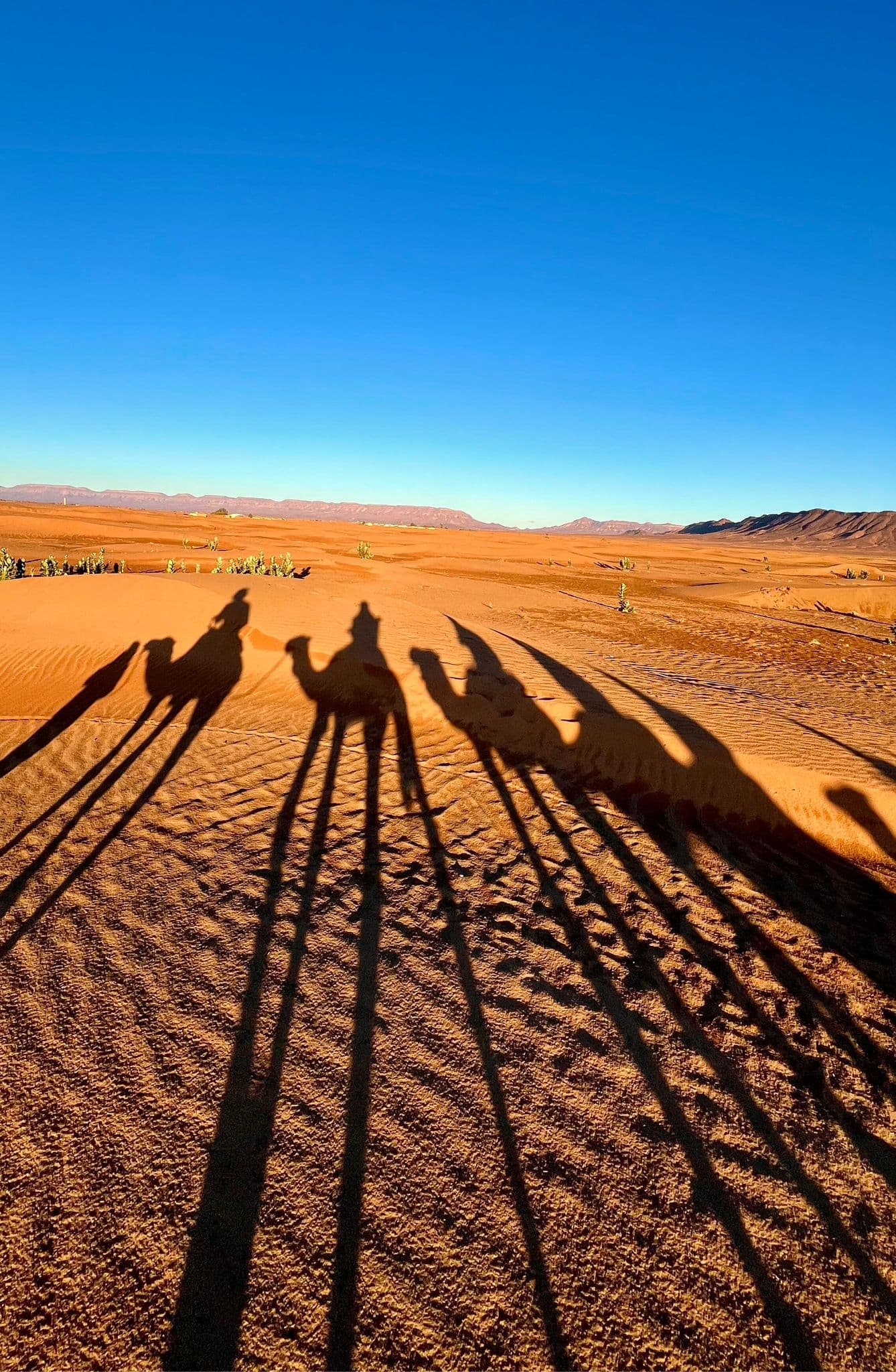
When History Speaks I :
The Battle of Camel
Saat tentera Saidina Ali bin Abi Talib membawa pedang Zubair padanya, sangkaan mereka, mereka akan dipuji, tetapi Saidina Ali berkata:
“Bergembiralah pembunuh Zubair dengan neraka!”
As the army handed over Zubair’s sword to Khalifah Ali bin Abi Talib, they thought they would be praised, instead Ali said: “Give glad tidings of Hell to the killer of Zubair!”
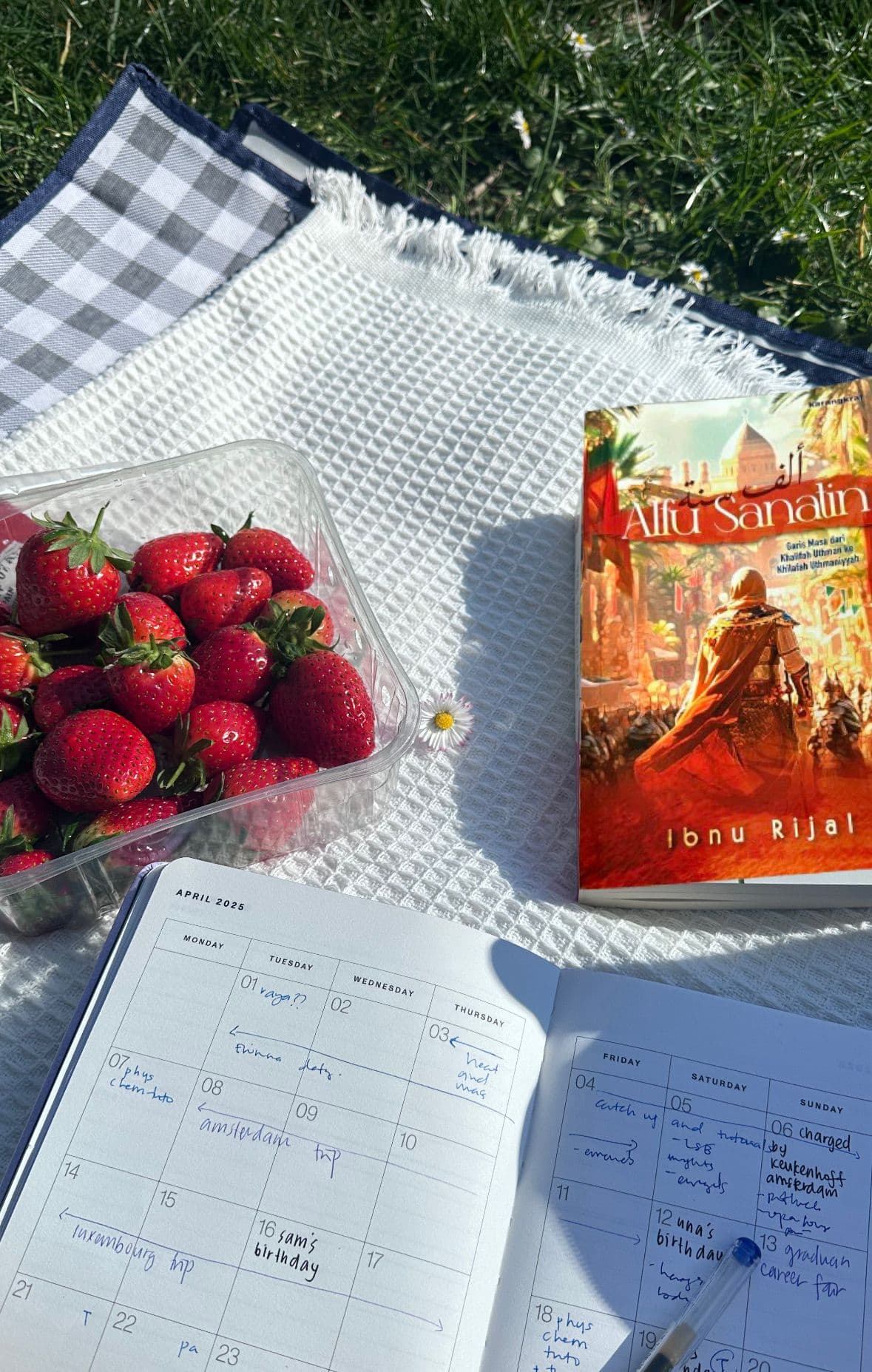
If this is truly among the most important wars in Islam’s history, why have I never heard of this story before?
The Battle of the Camel happened in 36 Hijrah, during the first Islamic civil war in Basra (Iraq). It happened after the assassination of Khalifah Uthman. With a heavy heart, Ali bin Abi Talib accepted the “baiah” – oath of allegiance to be the next Khalifah.
This is the start of the “fitnah” era. The united Muslim community now found divided into factions, each holding tightly to its own fears, loyalties and convictions. Not all the companions gave their baiah to Ali, even Syam’s Governor Muawiyyah, the relatives of Khalifah Uthman refused to recognise Ali’s leadership unless Ali punishes Uthman’s killers.
Months passed under Ali’s rule, yet the air only grew heavier with suspicion. It’s not that Ali doesn’t want to kill the assassins but who truly had killed Uthman? Who should face the “qisas”? The truth lay tangled with confusion. Every aspect needs to be considered, judgement without certainty would only deepen the wound. The leadership he was learning is far heavier than any sword.
Still, rumors sparked across the land. Some whispered that Uthman’s death had been tied to Ali’s supporters in Egypt. The group had long wanted Ali to become the Khalifah after Saidina Umar bin Al Khattab. It began even before Uthman’s death; FORGED letters circulated with Uthman’s seal, ordering punishment and execution of the rebel leaders!
When these words reached Muawiyah, he felt a surge of indignation. Muawiyah prepared his forces, ready to march upon Medina. Meanwhile, Saidatina Aisyah had led another movement from Mecca, set out toward Basra. They aren’t willing to wait any longer, if Ali can’t uphold justice, let them pursue it themselves. Upon hearing this, Ali ordered his army to change the direction from Syam towards Basra. His intention wasn’t to attack, but to protect Aisyah from the remnants of the rebels that might try to assault her group. The rebels might seize the moment to harm Aisyah, igniting a greater disaster.
At last, the two forces met. Words replaced weapons, each side expressed their intentions and realised that they share the same goal - justice for Uthman. But they have different approaches. For a moment, hope flickered and peace was reached.
But peace, as fragile as glass, did not please everyone
Like a cat on a hot tin roof, there were hypocrites who disliked this reconciliation, so they planned their next strategy – to attack both military camps at night. Like restless shadows, they moved with the darkness, striking both camps to kindle suspicion. Chaos erupted, Aisyah thought that Ali’s army started the war while Ali thought Aisyah had betrayed their trust! And so, the swords were drowned.
Blood stained the earth, angry cries echoed through the valley, followed shortly by the clashing of steel on steel until the camel Aisyah was riding collapsed. As it fell, so did the battle. Silence spread, sudden and heavy.
Ali’s army won the battle, yet victory tasted of ash. It was never his intention. He had ordered protection, not war. Aisyah was treated with honor and escorted safely back to Medina.
But the damage could not be undone. On that field fell two noble companions: Zubair Al Awwam and Talha bin Ubaydillah. The two “sahabah” that are promised paradise, now struck down by the hands of our fellow Muslims…A sorrow that history would never fully heal.
If we look closely, the world today is not so different from the conflict of that time. Though we share faith in the same God, differences of opinions have divided our ummah. Do not look far, the closest example is giving full support to our brothers and sisters in Palestine. This is not something to be debated, it’s obvious that we should stand with them. Yet why do many major Muslim leaders today turn away?
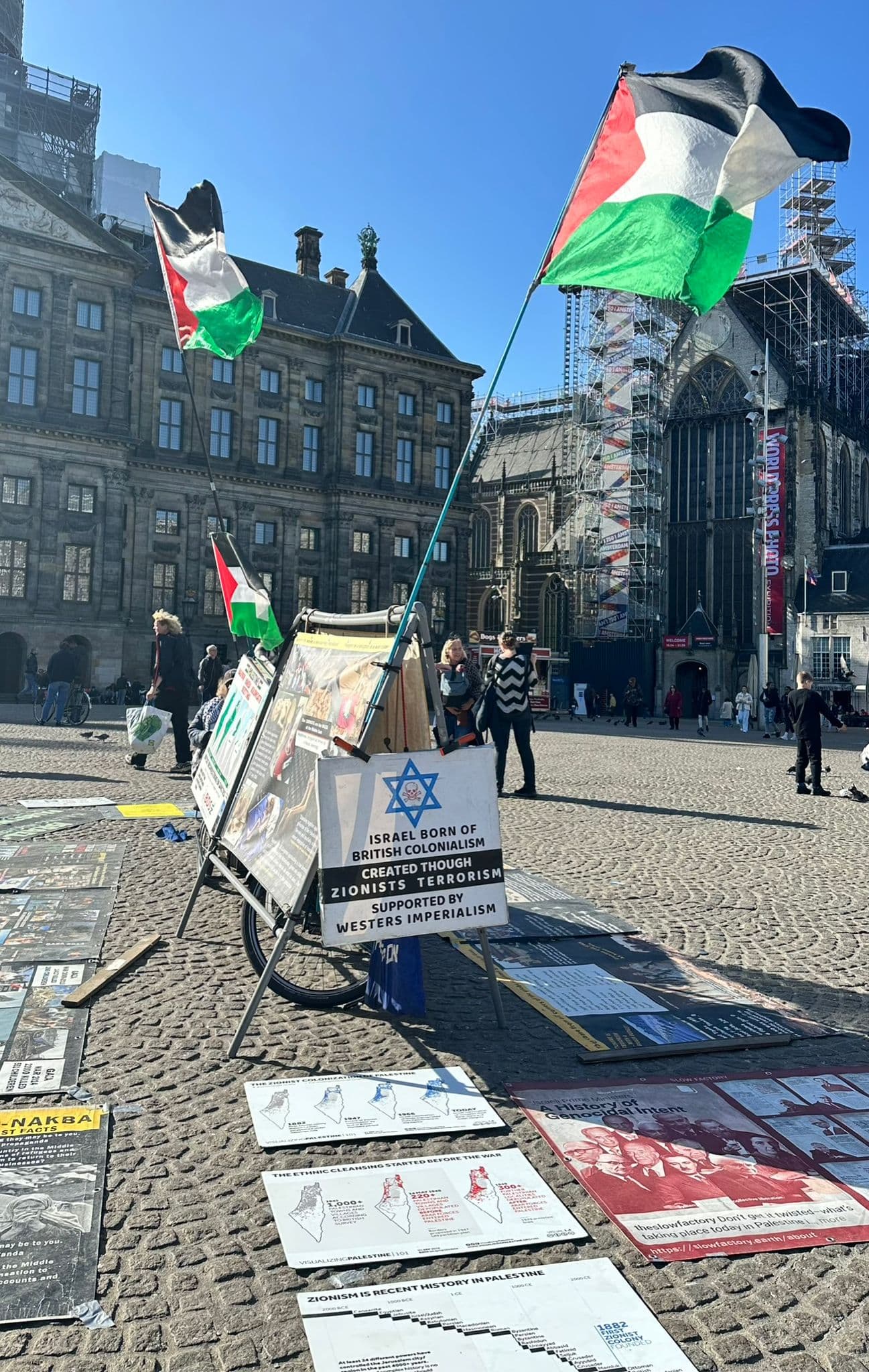
Perhaps this discussion will never truly end. As the future leaders of the ummah, we should reflect on history and resolve to become better leaders in the future. It begins within us, by deepening our knowledge of Islam and its history. If not us, then who else can be relied upon?
Ingat, “janji Tuhan pasti terlaksana”. Kelak Palestine akan memegang panji kemenangan.